
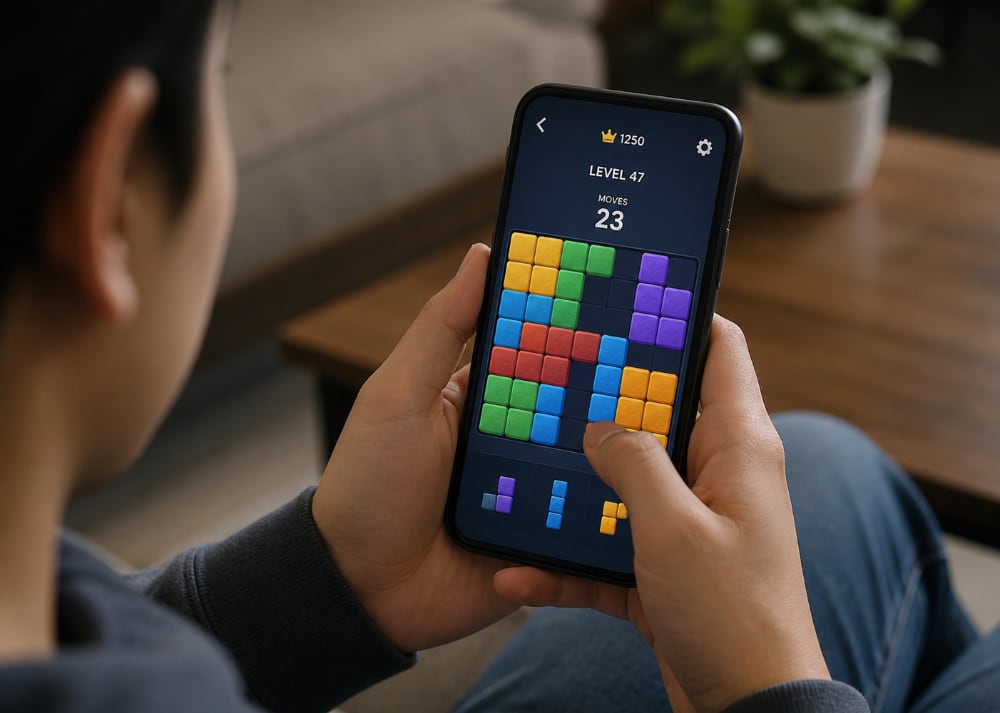
If you keep downloading puzzle games only to uninstall them 10 minutes later, you’re not alone.
A lot of puzzle games on Android look fun at first, then turn repetitive, frustrating, or overloaded with ads.
The best puzzle games for Android are the ones you actually keep coming back to, whether you want quick sessions, real brain challenges, or something relaxing after a long day.
So instead of throwing random games at you, we picked puzzle games for Android that fit different moods and play styles.
For each game, you’ll quickly see:
- what makes it fun
- where it shines
- where it falls short
If you want quick recommendations first, this summary breaks down the best puzzle games by play style so you can jump straight to what fits your mood.
Best Puzzle Games for Android by Play Style
If you don’t want to scroll through dozens of puzzle games, these are the easiest recommendations to start with:
- Best overall puzzle game: Monument Valley
- Best brain challenge: Baba Is You
- Best casual time-pass game: Royal Match
Some puzzle games are better for relaxing, while others focus more on challenges or quick play sessions.
These picks will help you jump straight to the type of game you’ll enjoy most.
Best Casual Puzzle Games
| Game | Best For | Offline |
| Royal Match | Smooth, addictive progression | Yes |
| Candy Crush Saga | Quick daily puzzle sessions | Mostly |
| Two Dots | Relaxing casual gameplay | Yes |
Best Brain and Logic Puzzle Games
| Game | Best For | Difficulty |
| Baba Is You | Deep abstract thinking | Hard |
| The Room Series | Mystery puzzle solving | Medium |
| Mekorama | Relaxed logic puzzles | Easy-Medium |
Best Relaxing Puzzle Games
| Game | Best For | Style |
| Monument Valley | Calm artistic puzzles | Relaxing |
| I Love Hue | Stress-free visual puzzles | Meditative |
| ELOH | Music-driven puzzle solving | Peaceful |
Best Quick Time-Pass Puzzle Games
| Game | Best For | Session Length |
| Pull the Pin | Ultra-short gameplay | 1-2 min |
| Save the Doge | Fast creative puzzles | 2-3 min |
| Block Blast! | Endless relaxing sessions | Flexible |
Best Daily Puzzle Games
| Game | Best For | Habit Style |
| Wordscapes | Relaxing daily word puzzles | Casual |
| Sudoku.com | Daily logic training | Structured |
| Flow Free | Quick low-pressure sessions | Flexible |
If something stands out, the detailed breakdowns below will help you decide whether it’s actually worth installing long term.
Addictive Casual Puzzle Games
These are the kinds of puzzle games you open for “just five minutes” and somehow end up playing for an hour.
Most of them also work perfectly as the best time pass games for android when you need something quick and relaxing.
Candy Crush Saga
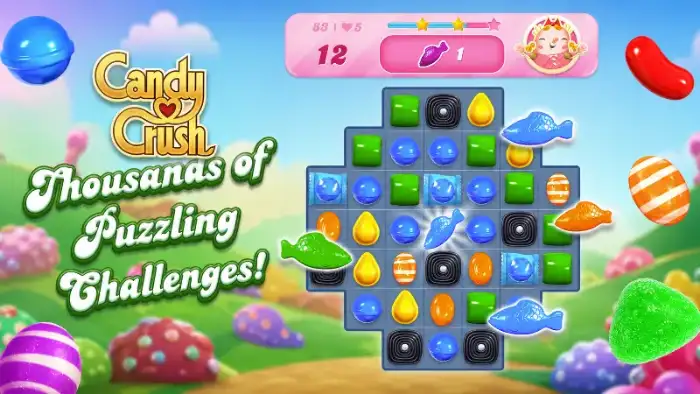
Best for: quick, highly addictive sessions you can play throughout the day
Candy Crush Saga is still one of the few mobile puzzle games that almost everyone has tried at least once, and there’s a reason it keeps surviving long after most trends disappear.
The formula is simple. Match candies, clear objectives, move on. Then suddenly you realize you’ve been stuck saying “one more level” for the past half hour.
The reward loop is what makes it work. The game gives you enough easy wins to feel smart, then throws in a difficult level that somehow feels impossible to leave unfinished. Short levels also make it perfect for quick breaks during the day.
What we don’t like
Some later levels feel more frustrating than challenging, especially when boosters start becoming important. A few players also report glitches, inconsistent rewards, and too much reliance on luck.
Key highlights
- Thousands of levels with regular updates
- Great for short play sessions
- Offline play works for most levels
Royal Match
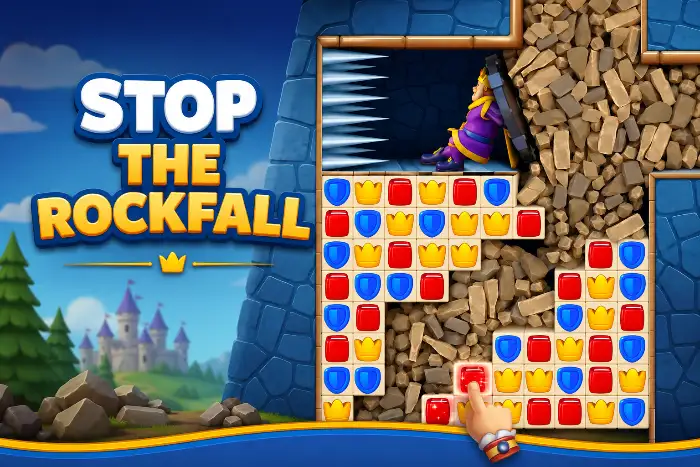
Best for: players who want a smoother, less frustrating Candy Crush-style experience
Royal Match takes the familiar match-three formula and removes many of the annoying parts older puzzle games became known for.
Early progression feels fast and satisfying. Wins come frequently, boosters are generous, and the game rarely blocks your progress during the first several hours.
That smooth pacing makes it dangerously easy to keep playing longer than intended.
The castle-building system also adds progression without becoming distracting. And unlike many mobile games in this category, it avoids interrupting you with forced ads every few minutes.
What we don’t like
The balance shifts later on. Some levels suddenly become much harder, and retries start depending more on coins and boosters. Rewards also feel less generous over time.
Key highlights
- No forced ads
- Works offline
- Smooth progression early on
Gardenscapes
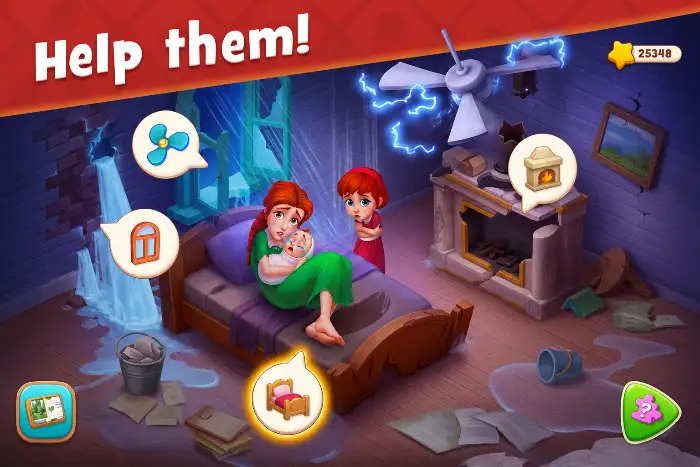
Best for: players who enjoy long-term progression and light story elements
Gardenscapes mixes match-three puzzles with a steady sense of progression that keeps the game feeling active for a long time.
Every completed level helps restore and customize a neglected garden.
You unlock new decorations, areas, characters, and small story moments along the way, which makes progress feel more meaningful than simply chasing high scores.
The game also stays fresh surprisingly well early on. Seasonal events, side activities, and constant unlocks give you plenty to work toward without making the experience feel repetitive too quickly.
What we don’t like
The pacing slows down heavily later in the game. Some levels feel designed around boosters and extra moves, and getting stuck for days on a single puzzle is a common complaint.
Key highlights
- Story-driven progression system
- Huge number of levels
- Offline play supported
Homescapes
Best for: casual players who like puzzles mixed with light customization
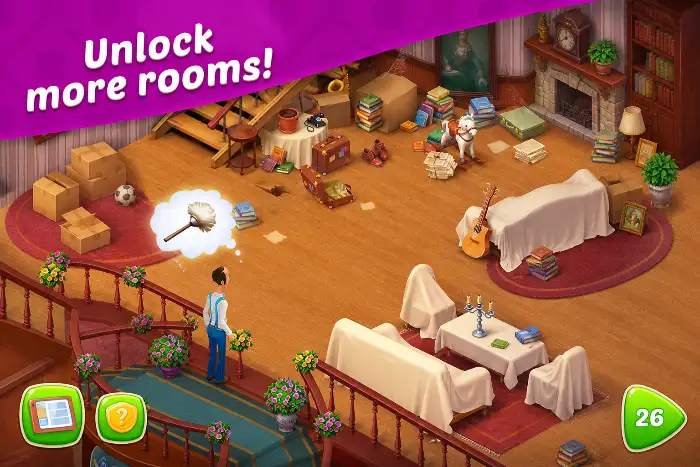
Homescapes follows a similar formula to Gardenscapes but focuses on renovating a house instead of rebuilding a garden.
The biggest strength is the relaxing progression loop. You solve puzzles, earn stars, unlock furniture, and slowly transform rooms piece by piece.
It’s simple, satisfying, and easy to return to throughout the day.
The game also works well in short sessions. Early upgrades happen frequently, progress feels visible, and the overall experience stays casual without demanding too much attention at once.
What we don’t like
Customization starts feeling more limited over time. Later stages also lean harder into boosters, extra moves, and constant event notifications that can become repetitive.
Key highlights
- Home decoration system
- Thousands of levels
- Works offline for core gameplay
Two Dots
Best for: players who want a laid-back puzzle experience without constant pressure
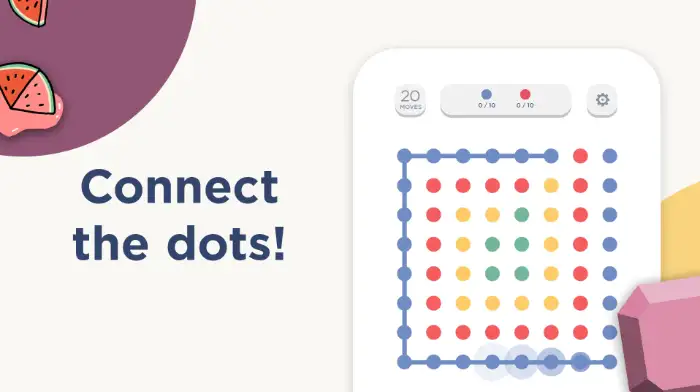
Two Dots feels much calmer than most mobile puzzle games, and that slower pace is exactly what makes it stand out.
Instead of loud effects and constant chaos, the game focuses on relaxing music, clean visuals, and satisfying dot-connection puzzles that are easy to understand but still engaging. Once you settle into the rhythm, it becomes surprisingly easy to keep playing.
The atmosphere also deserves credit. Everything feels polished, minimal, and easy on the brain, especially during shorter sessions. Scavenger hunts and mini-games help add variety without overwhelming the experience.
What we don’t like
The relaxed flow gets interrupted more often later on. Frequent event pop-ups and tougher levels can make the experience feel more cluttered than it does early in the game.
Key highlights
- Relaxing design and soundtrack
- Multiple game modes
- Unique dot-connection mechanic
If you’re looking for the best android puzzle games for quick play sessions, these are easy to jump into without any setup or long commitment.
Best Merge Puzzle Games
These android puzzle games are less about fast reactions and more about steady progression. You slowly build, upgrade, collect, and unlock new things until hours somehow disappear without you noticing.
Merge Mansion
Best for: players who want a merge game with story and long-term progression
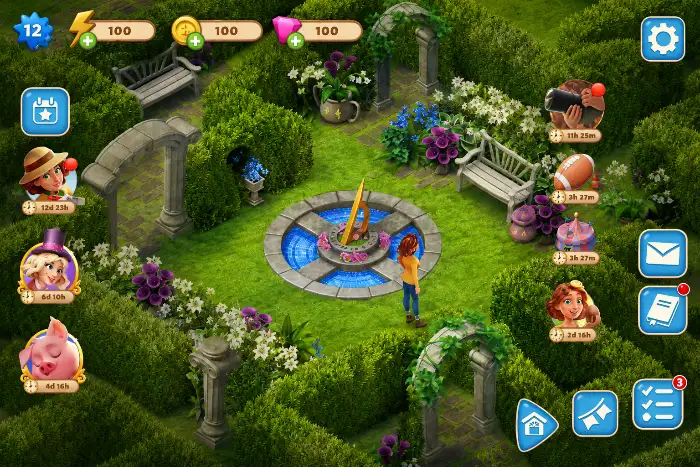
Merge Mansion makes the usual merge-game formula feel more interesting by wrapping everything around a mystery-filled mansion.
Every merge helps uncover hidden rooms, new areas, and small story reveals that keep the progression feeling rewarding. The gameplay loop stays simple, merge items, complete tasks, unlock sections, repeat, but the constant sense of discovery stops it from becoming repetitive too quickly.
It also works well in short sessions. You can organize your board, complete a few tasks, and leave without feeling lost when you return later.
What we don’t like
Progress slows down heavily later in the game. Energy limits, long timers, and resource bottlenecks can make some tasks feel artificially delayed.
Key highlights
- Story-driven progression
- Huge merge chains to discover
- Regular events and updates
Travel Town
Best for: players who enjoy steady progression and collecting lots of items
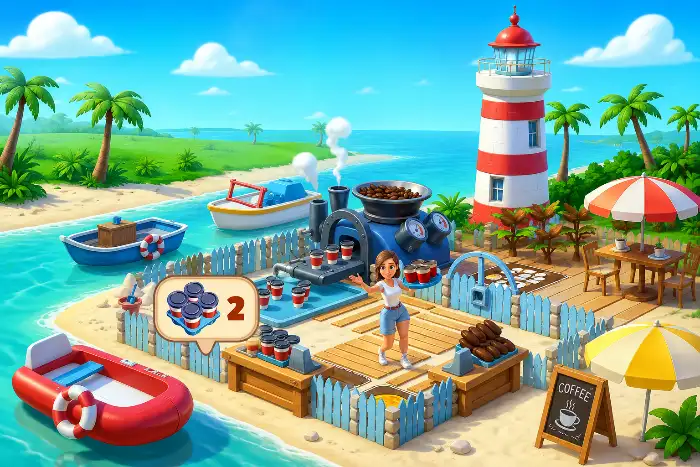
Travel Town takes the standard merge-game formula and expands it into a full town-building experience.
You merge items, fulfill orders, unlock buildings, and slowly grow the town piece by piece. Early progression feels smooth because rewards arrive frequently, making the game surprisingly easy to keep playing for long stretches.
The variety also helps. New item chains, unlockable areas, and evolving objectives stop the gameplay from feeling repetitive too quickly. Compared to many similar games, the ad experience is also much less aggressive.
What we don’t like
The energy system eventually becomes the biggest frustration. Later tasks demand far more resources, which slows progression unless you wait or spend currency.
Key highlights
- Large variety of items to merge
- Town-building progression system
- Minimal ads compared to similar games
Merge Gardens

Best for: players who want more variety than a standard merge-only game
Merge Gardens mixes merge mechanics with match-3 puzzles, which instantly gives it more variety than most games in this category.
You spend your time restoring a mysterious estate while switching between puzzle solving and merging items. That constant back-and-forth keeps the gameplay feeling fresh much longer than merge-only games usually do.
The atmosphere also stands out. The relaxed visuals, softer music, and slightly mysterious tone make the experience feel calmer than most bright, overly energetic mobile puzzle games.
What we don’t like
Progress slows down noticeably later on. Some tasks take far too long to complete, and certain conveniences feel heavily tied to purchases or premium systems.
Key highlights
- Merge + match-3 hybrid gameplay
- Story and mystery elements
- Relaxed visual style
Love and Pies
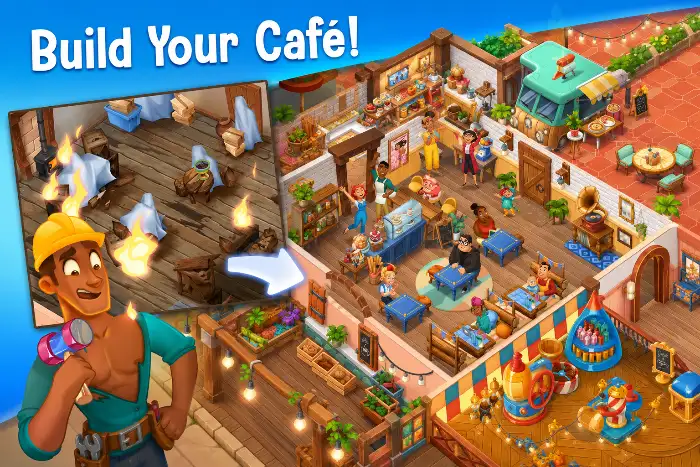
Best for: players who want a merge game with story and personality
Love and Pies feels more like a light drama series than a traditional merge game.
You’re rebuilding a café, but the real hook is the story around it. Characters argue, relationships change, secrets appear, and somehow the drama becomes just as addictive as the gameplay itself.
The merge mechanics stay familiar, but the writing and personality give the game much more charm than most titles in this category. The polished visuals also make it easy to settle into for longer sessions.
What we don’t like
The pacing slows down hard later in the game. Energy systems, timers, and premium currency become much more noticeable once progression starts slowing.
Key highlights
- Strong story and character focus
- Café renovation system
- Clean, polished visuals
Merge Dragons!
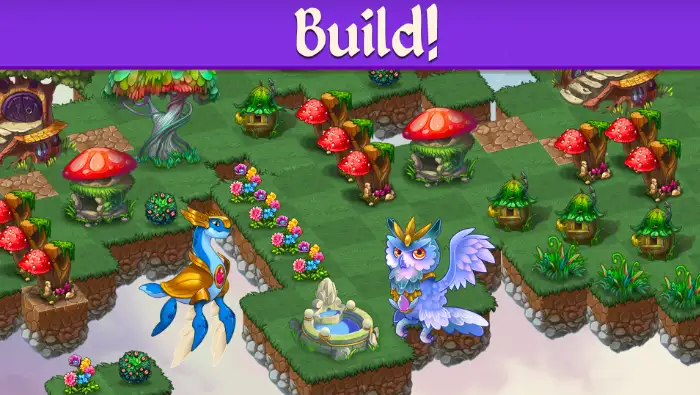
Best for: players who want a deeper, long-term merge experience
Merge Dragons! takes merge gameplay far beyond simply combining random objects.
Instead of managing a small board, you’re building an entire dragon camp filled with resources, upgrades, quests, and evolving creatures. You merge almost everything here, including dragons, plants, treasures, and even parts of the land itself.
That huge sense of progression is what keeps the game engaging long term. There’s almost always another upgrade, unlock, or event waiting, which makes it easy to return to daily.
What we don’t like
The scale eventually becomes overwhelming for some players. Boards get cluttered, progression slows down, and premium currency becomes increasingly important later in the game.
Key highlights
- Large-scale merge system
- Dragon collection and evolution
- Hundreds of levels and quests
If you enjoy slow progression and collecting systems, this is one of the most flexible types of android puzzle games to stick with long term.
Best Logic and Brain Puzzle Games for Android
These puzzle games focus more on problem solving than fast rewards. If you enjoy real thinking, experimentation, and satisfying “aha” moments, this is where some of the best brain games for android stand out.
The Room Series
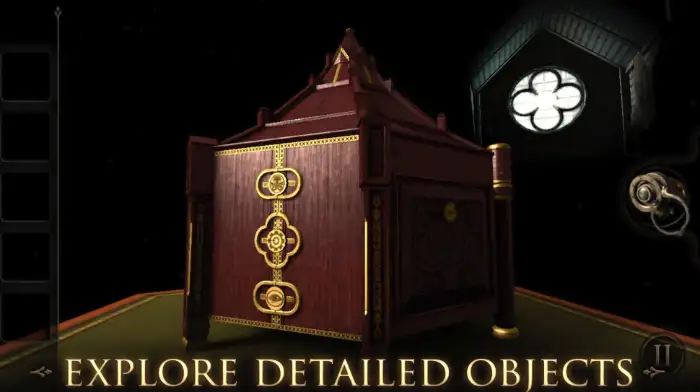
Best for: players who enjoy hands-on puzzles with a strong sense of discovery
The Room series feels more like interacting with a mysterious mechanical object than playing a normal mobile puzzle game.
You rotate strange devices, unlock hidden compartments, and slowly uncover layers of secrets one piece at a time. Every puzzle feels tactile and interactive, which makes solving even small details surprisingly satisfying.
The atmosphere also does a lot of the heavy lifting. The sound design, lighting, and subtle storytelling create tension without distracting from the puzzles themselves. And when you do get stuck, the hint system helps without completely spoiling solutions.
What we don’t like
Each game is relatively short once you get invested. Since the series is split into multiple paid entries, finishing one usually leaves you immediately wanting the next.
Key highlights
- Highly interactive 3D puzzles
- Strong mystery atmosphere
- Smooth learning curve
Monument Valley (1, 2 and 3)
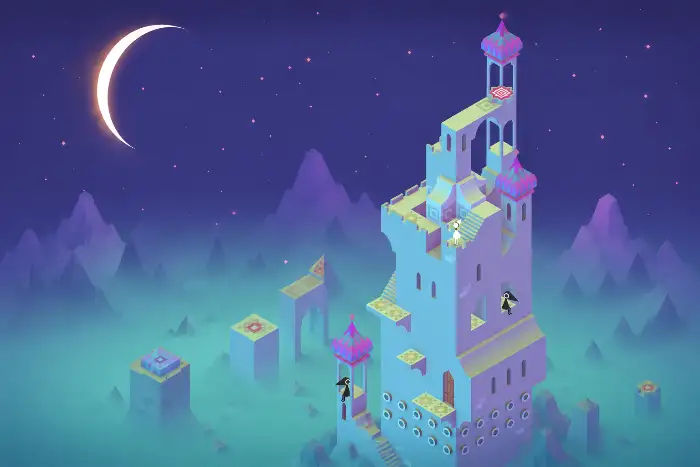
Best for: players who want a calm, creative puzzle experience over intense challenge
Monument Valley series feels like walking through a playable piece of art.
The puzzles revolve around perspective. You rotate structures, shift viewpoints, and create impossible paths that somehow start making sense once everything clicks together. The mechanics stay simple, but the visual design keeps the experience memorable.
The games also have an unusually calm atmosphere. Soft music, clean visuals, and slower pacing make them feel relaxing instead of stressful, which is rare for puzzle games.
What we don’t like
The challenge level is fairly light compared to deeper logic games. Some players may also dislike the shorter levels and in-app purchase approach used in later versions.
Key highlights
- Stunning visual design
- Relaxing, stress-free gameplay
- Unique perspective-based puzzles
Mekorama
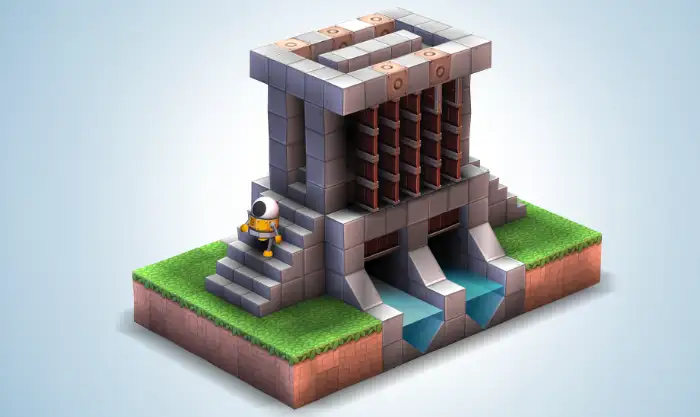
Best for: players who want simple-looking puzzles that still require real thinking
Mekorama looks simple at first, but the puzzle design is surprisingly clever underneath its relaxed style.
You guide a tiny robot through mechanical structures by rotating the environment, finding hidden paths, and solving movement puzzles. The controls are easy to understand, which makes the game approachable even for casual players.
Short levels also help a lot. You can solve a puzzle in a few minutes, leave, and return later without losing momentum. The level-sharing system adds extra replay value once you finish the official content.
What we don’t like
A few puzzles rely more on timing and precision than pure logic. The official level count also feels limited unless you start exploring community-made levels.
Key highlights
- Cute and relaxing design
- Level creation and sharing
- Lightweight and easy to play
hocus
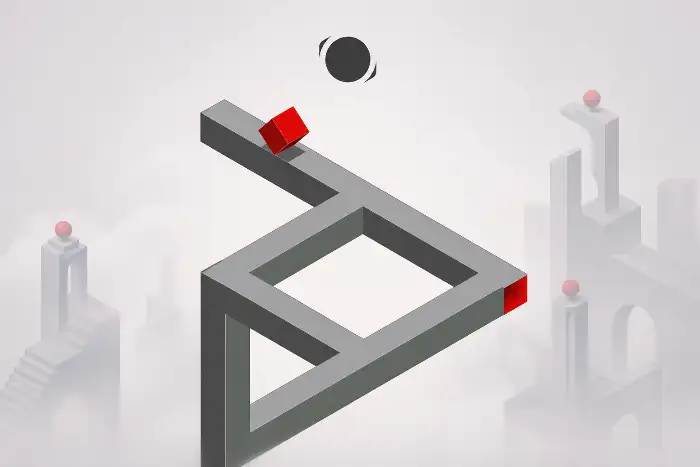
Best for: players who want pure, distraction-free thinking puzzles
hocus strips puzzle gaming down to the essentials.
There are no loud animations, constant notifications, or systems trying to keep your attention every second. Instead, the game focuses entirely on impossible geometry and perspective-based puzzles that force you to rethink what you’re seeing.
Some solutions feel obvious once they click into place. Others leave you staring at the screen wondering how the shape even works. The clean minimalist design and calm atmosphere make the entire experience feel surprisingly relaxing.
What we don’t like
Puzzle quality can feel uneven at times. Some levels are genuinely smart, while others rely more on trial and error. A large chunk of content is also locked behind a small paywall.
Key highlights
- No ads interrupting gameplay
- Clean, minimalist design
- Works offline
Baba Is You
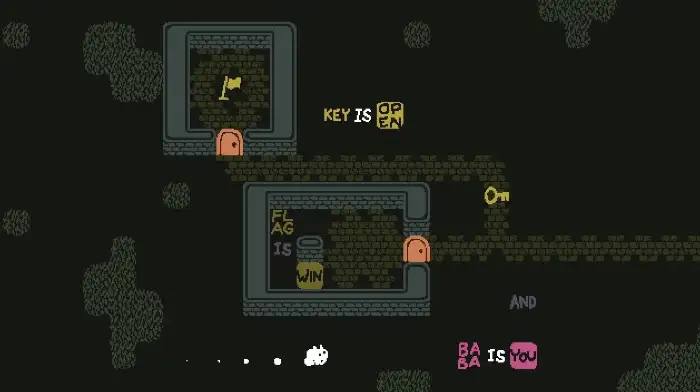
Best for: players who want deep, unconventional puzzles that challenge how they think
Baba Is You is one of the most creative puzzle games ever made because it lets you change the rules instead of simply following them.
Every level contains movable word blocks like “Baba Is You” or “Flag Is Win.” Rearranging those words completely changes how the puzzle behaves. Walls can stop being walls, objects can become goals, and sometimes you even change what character you control.
That constant rule manipulation makes the game feel endlessly inventive. Just when you think you understand the logic, the next puzzle forces you to rethink everything again.
What we don’t like
The difficulty ramps up quickly, and some puzzles can feel genuinely overwhelming without experimentation or outside hints. This is definitely not a beginner-friendly puzzle game.
Key highlights
- Rule-changing puzzle mechanics
- Deep logical and abstract thinking required
- Hundreds of handcrafted levels
- No repetitive puzzle patterns
If you’re specifically looking for the best logic games for android, this category offers the most depth and long-term challenge.
Physics and Interactive Puzzle Games for Android
These puzzle games focus less on matching patterns and more on movement, timing, and experimentation. If you enjoy testing angles, gravity, and cause-and-effect mechanics, this is where many android mind games become far more interactive.
Cut the Rope
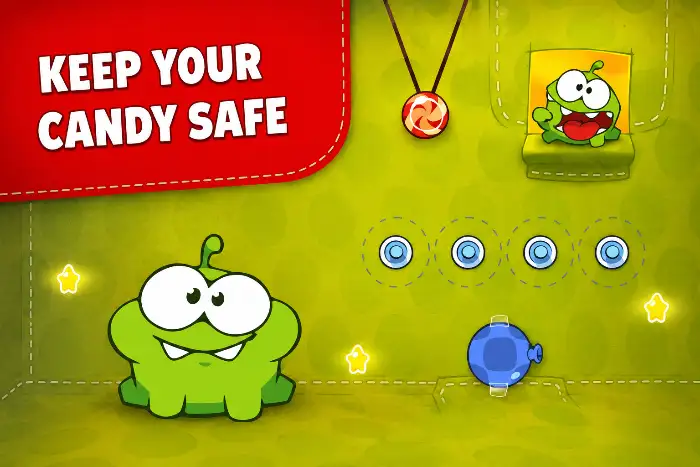
Best for: quick, skill-based puzzles with satisfying mechanics
Cut the Rope became a classic for a reason. The physics feel smooth, predictable, and genuinely satisfying every time you pull off a clean solution.
The idea is simple. Cut ropes, swing candy through obstacles, and feed it to a hungry little monster. But the clever level design constantly forces you to think about timing, momentum, and movement instead of randomly guessing solutions.
The short levels also work perfectly for quick sessions. You can finish a few puzzles in minutes and still feel like you accomplished something.
What we don’t like
The gameplay is still fun, but the surrounding monetization hurts the experience. Ads, pop-ups, and constant prompts interrupt the flow far more than they used to.
Key highlights
- Smooth, responsive physics
- Hundreds of bite-sized levels
- Works offline
Where’s My Water? 2
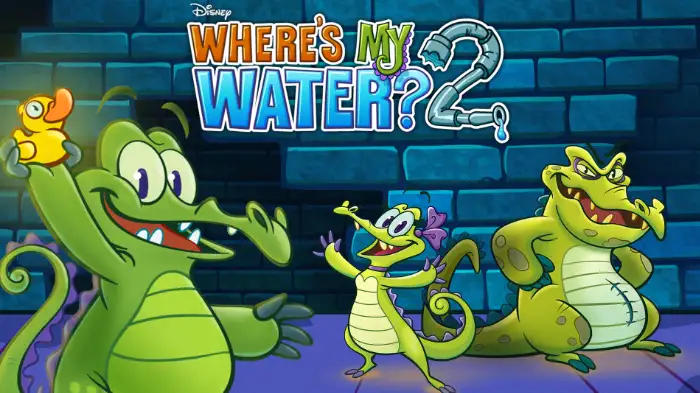
Best for: players who enjoy logic + physics in quick sessions
Where’s My Water? 2 turns something as simple as moving water into a surprisingly smart puzzle system.
You dig paths through dirt while controlling how water, steam, and toxic liquids move through each level. The puzzles feel satisfying because success depends on planning ahead instead of reacting at the last second.
Early levels especially hit a great balance between challenge and accessibility. The mechanics stay easy to understand while still introducing enough variety to keep things interesting.
What we don’t like
The experience becomes more cluttered over time. Ads, menus, and extra systems make the sequel feel less clean and focused than the original game.
Key highlights
- Smart fluid-based puzzles
- Short, focused levels
- Good variety of mechanics
Brain It On!
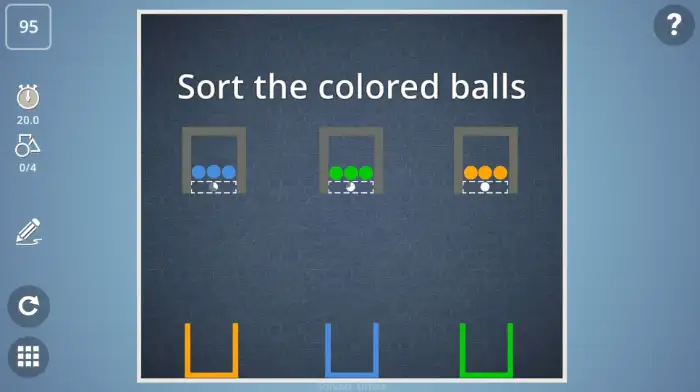
Best for: players who enjoy experimenting and finding their own solutions
Brain It On! feels more like a physics sandbox than a traditional puzzle game.
Instead of following one fixed solution, you draw shapes and use physics to solve each challenge however you want. That freedom is what makes the game so addictive. Many puzzles have multiple valid answers, so experimentation becomes part of the fun.
The difficulty also scales well. Early puzzles feel approachable, while later ones push you into much more creative problem solving. Community-made levels add even more replay value once you finish the main stages.
What we don’t like
Drawing controls can occasionally feel imprecise, especially during more delicate puzzles. Ads also become fairly noticeable unless you remove them.
Key highlights
- Multiple solutions per puzzle
- Creative, open-ended gameplay
- Community-created levels
This is where mind games for android feel more interactive, since you’re not just solving puzzles, you’re experimenting with outcomes.
Aquavias
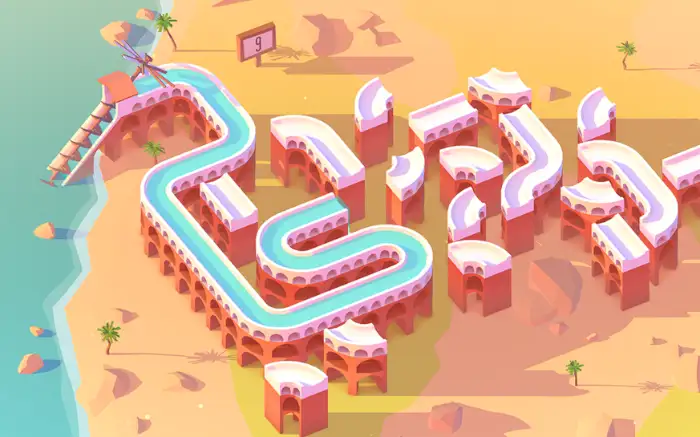
Best for: players who enjoy structured, logic-driven puzzles with a visual twist
Aquavias takes a simple pipe-rotation concept and turns it into a surprisingly relaxing puzzle experience.
You rotate pathways to connect water sources with cities, gardens, and structures. The early levels feel calm and approachable, but the difficulty steadily increases as move limits and tighter layouts appear.
The clean visual style and relaxing music also help the game stand out. It feels less chaotic than most mobile puzzle games, which makes longer sessions easier on the brain.
What we don’t like
Some later puzzles become more stressful than relaxing once tighter restrictions appear. A few players also feel the overall content ends too quickly once you fully settle into the game.
Key highlights
- Clean, minimal design
- Gradual difficulty increase
- 100 levels to work through
If you enjoy figuring things out through movement and experimentation, this category offers a different kind of challenge compared to traditional puzzle formats.
Word and Number Puzzle Games for Android
These are the puzzle games people end up playing daily instead of occasionally. The sessions are short, the mechanics are simple, and the routine somehow feels productive instead of time-wasting.
Wordscapes

Best for: relaxing daily word puzzles that feel productive
Wordscapes blends crossword puzzles with simple swipe controls in a way that feels surprisingly relaxing.
You connect letters to build words and slowly complete crossword-style boards. The difficulty increases gradually, but rarely becomes stressful, which makes the game easy to return to every day.
The calm backgrounds and short levels also help. Most people don’t treat it like a hardcore challenge. It feels more like a quick mental reset during breaks.
What we don’t like
Ads and seasonal events become more noticeable over time. At higher levels, the extra systems can interrupt the otherwise relaxing flow.
Key highlights
- Crossword-style swipe puzzles
- Thousands of levels
- Relaxing visuals and progression
- Great for short daily sessions
Word Connect
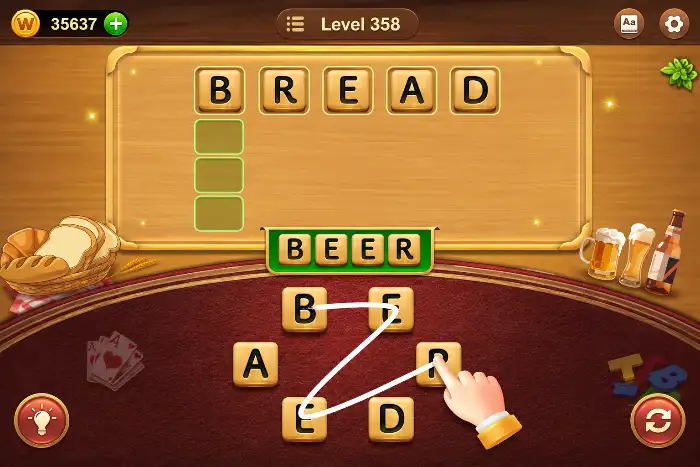
Best for: simple, routine word play without distractions
Word Connect keeps things extremely simple, and that’s exactly why it works.
You swipe letters to create words and move straight into the next level. There are no complicated systems, heavy customization, or constant interruptions getting in the way.
The game also adds small vocabulary lessons by showing word meanings, which gives the experience a slightly more educational feel over time.
What we don’t like
The simplicity eventually becomes repetitive. Difficulty progression and puzzle variety can start feeling limited after long sessions.
Key highlights
- Simple swipe-to-build gameplay
- 20,000+ levels
- Vocabulary-building features
- Offline play supported
Crossword Puzzle Redstone
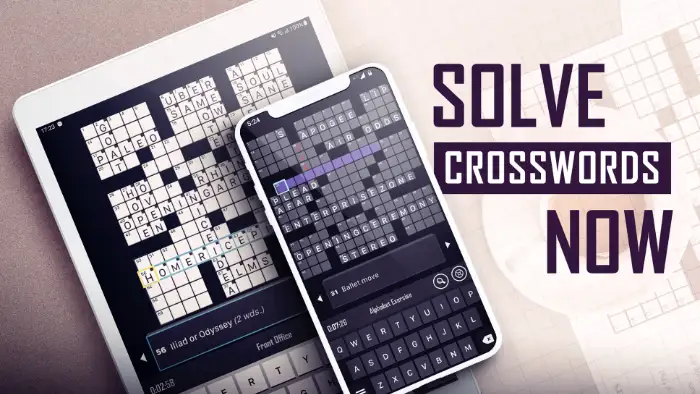
Best for: players who want real crosswords, not simplified versions
Crossword Puzzle Redstone feels much closer to a real newspaper crossword than most mobile word games.
Instead of simply finding words, you solve clue-based puzzles across multiple difficulty levels. That shift makes the experience feel more like long-term mental exercise than casual gameplay.
The large puzzle library also helps keep things fresh if you enjoy solving crosswords regularly.
What we don’t like
Some players dislike the pricing for ad removal. Occasional clue inconsistencies can also make a few answers feel frustrating rather than clever.
Key highlights
- Real clue-based crossword puzzles
- Multiple difficulty levels
- Regular puzzle updates
- Offline play available
Sudoku.com
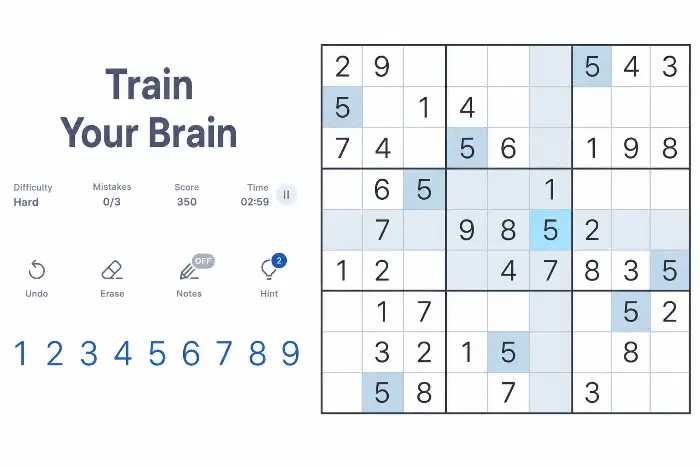
Best for: daily logic training with a familiar format
Sudoku.com takes the classic Sudoku formula and turns it into an easy daily habit.
You pick a difficulty level, solve the grid, and move on. The structure stays consistent, which makes it relaxing in a different way from fast-paced puzzle games.
Helpful features like hints, notes, and error checking also make the game approachable for beginners without removing the logical challenge.
What we don’t like
Ads can interrupt concentration at the worst moments, especially during longer puzzle sessions.
Key highlights
- 10,000+ Sudoku puzzles
- Multiple difficulty levels
- Hints and auto-check features
- Daily challenges and events
Threes!
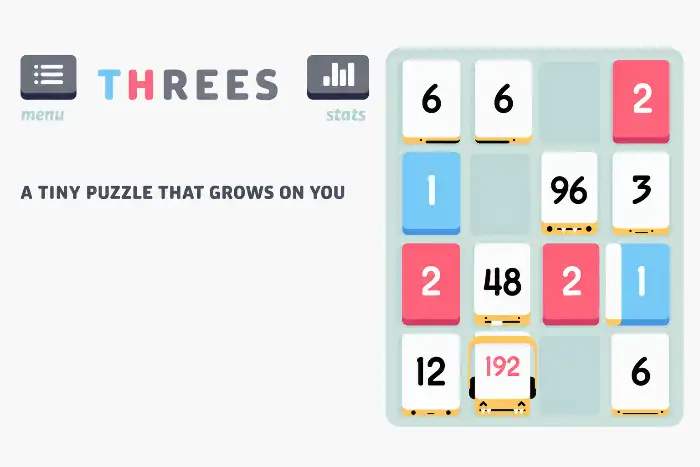
Best for: players who enjoy strategy and long-term mastery
Threes! looks incredibly simple until you realize how much strategy hides underneath it.
You combine numbered tiles to create larger values while trying to keep the board manageable. Random tile spawns constantly force you to adapt, which makes planning ahead far more important than quick reactions.
The best part is that improvement feels earned. There are no shortcuts here. You simply get better through smarter decisions and experience.
What we don’t like
The slower, strategy-focused gameplay may feel repetitive for players looking for faster puzzle sessions or constant progression systems.
Key highlights
- Simple mechanics with deep strategy
- Endless gameplay mode
- Clean design with no interruptions
- Strong replay value
Flow Free
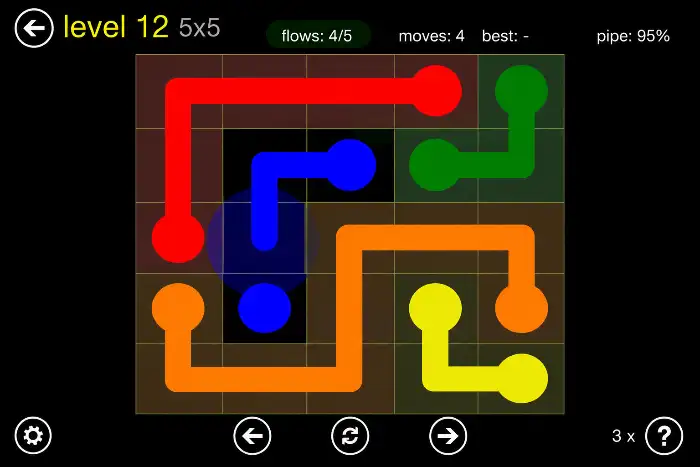
Best for: quick, low-pressure puzzles anytime
Flow Free proves how far a simple idea can go with smart level design.
You connect matching colors across a grid without crossing paths. The concept is easy to understand instantly, but the difficulty scales naturally as boards become more crowded and complex.
The game also avoids unnecessary clutter. It’s mostly just clean puzzle-solving from start to finish, which makes it easy to play in short bursts.
What we don’t like
The repetitive visual style and simple mechanics may not hold attention for players looking for stronger progression or variety.
Key highlights
- Over 2,500 puzzles
- Simple connect-the-dots gameplay
- Free play and time trial modes
- Offline support
Peak
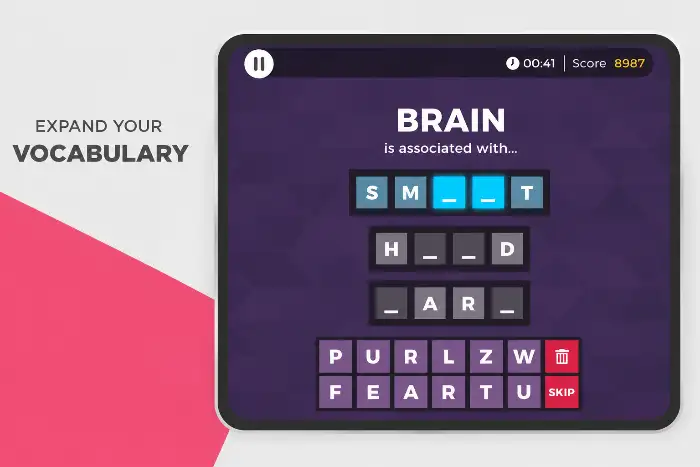
Best for: structured brain training beyond casual puzzles
Peak focuses more on brain training than traditional puzzle-solving.
Instead of one core mechanic, you get short daily exercises targeting memory, attention, focus, and problem-solving skills. Sessions are designed to stay quick, which makes the app easy to build into a daily routine.
The progress tracking also helps the experience feel more structured than typical casual puzzle games.
What we don’t like
Many advanced features and training systems are locked behind a subscription, which limits the free version fairly quickly.
Key highlights
- 40+ brain training mini-games
- Daily personalized workouts
- Progress tracking features
- Offline mode available
Block Blast!
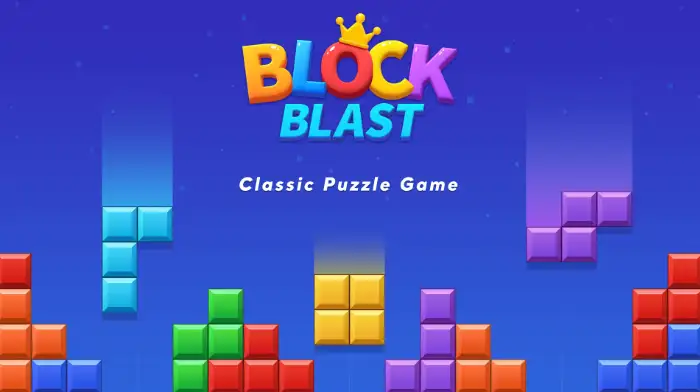
Best for: relaxing, repeatable gameplay with a focus on high scores
Block Blast! takes a very simple block puzzle concept and turns it into something dangerously addictive.
You place shapes onto a board to clear space and keep the game going as long as possible. There are no timers or stressful mechanics pushing you to rush, which makes the gameplay surprisingly relaxing.
It’s also the kind of game people open for a few minutes and accidentally keep playing much longer than planned.
What we don’t like
Ads can interrupt the flow fairly often unless you play offline or remove them completely.
Key highlights
- Endless block puzzle gameplay
- Simple drag-and-place mechanics
- No time limits
- High replay value
If you want consistency and daily engagement, these are some of the best free android puzzle games to keep coming back to.
Relaxing and Artistic Puzzle Games for Android
Not every puzzle game is designed to challenge you constantly. Some are simply meant to slow your brain down, which is why these are among the best puzzle games for brain relaxation.
I Love Hue

Best for: stress relief and calming your mind without pressure
I Love Hue replaces traditional puzzle-solving with something much calmer and more meditative.
Instead of matching objects or clearing levels, you rearrange color tiles to create perfect gradients. The challenge comes from noticing tiny differences between shades, which becomes surprisingly satisfying once your eyes adjust to the patterns.
The game also avoids pressure completely. There are no timers, penalties, or stressful mechanics pushing you to rush. You simply keep adjusting colors until everything feels visually right.
What we don’t like
Ads become more noticeable as you progress, which can interrupt the otherwise relaxing atmosphere.
Key highlights
- Color perception-based gameplay
- 900+ handcrafted levels
- Minimalist visuals and calming soundtrack
- No timers or penalties
ELOH
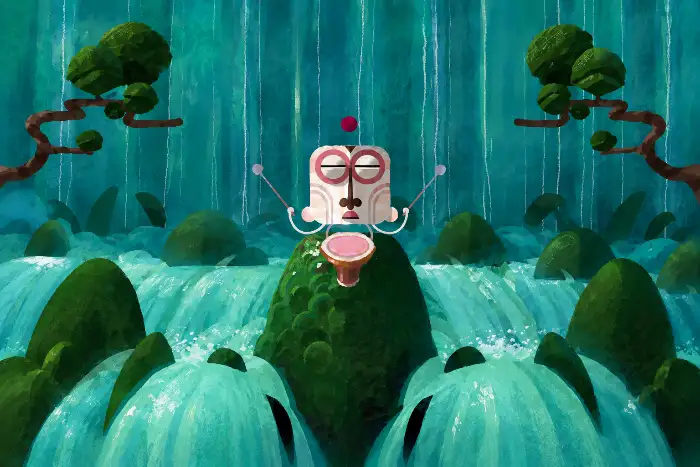
Best for: deep relaxation and uninterrupted gameplay sessions
ELOH feels more like a calming music experience than a traditional puzzle game.
You place objects, guide sound waves, and slowly build small musical patterns by solving each puzzle. The mechanics stay simple, but the combination of rhythm, visuals, and interaction makes the entire experience feel incredibly smooth.
What really helps the game stand out is how quiet and uninterrupted it feels. No ads, no timers, no aggressive progression systems constantly trying to keep your attention.
What we don’t like
Players looking for difficult or highly strategic puzzles may find the challenge level too light compared to more traditional brain games.
Key highlights
- Music-based puzzle mechanics
- No ads or timers
- 90+ handcrafted levels
- Strong audio and visual design
Gorogoa
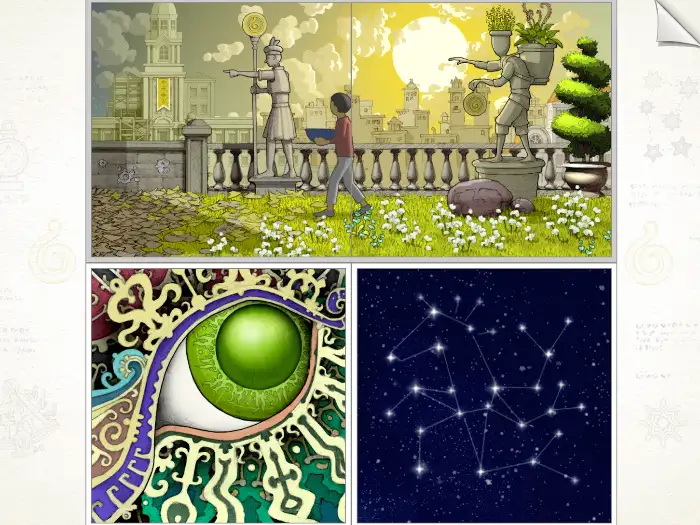
Best for: players looking for artistic, story-driven puzzle experiences
Gorogoa is one of the most visually creative puzzle games ever released on mobile.
You interact with hand-drawn panels, zoom into scenes, and combine visuals in ways that slowly reveal both puzzle solutions and story elements. The experience feels less like completing levels and more like uncovering a quiet interactive story.
What makes the game memorable is how unique every puzzle feels. Nothing repeats for long, and the transitions between scenes constantly surprise you in clever ways.
What we don’t like
The experience is much shorter than most puzzle games, especially considering the premium pricing.
Key highlights
- Hand-drawn visual style
- Creative panel-based puzzles
- Storytelling through interaction
- Premium ad-free experience
If your goal is to slow down and unwind, this category offers a completely different pace compared to faster or more competitive puzzle games.
Viral Puzzle Games on Android (2025–2026 Trends)
These puzzle games are built around instant gameplay, fast retries, and short sessions that are hard to stop. Most of them became popular because anyone can understand the mechanics within seconds.
Screw Puzzle: Nuts and Bolts
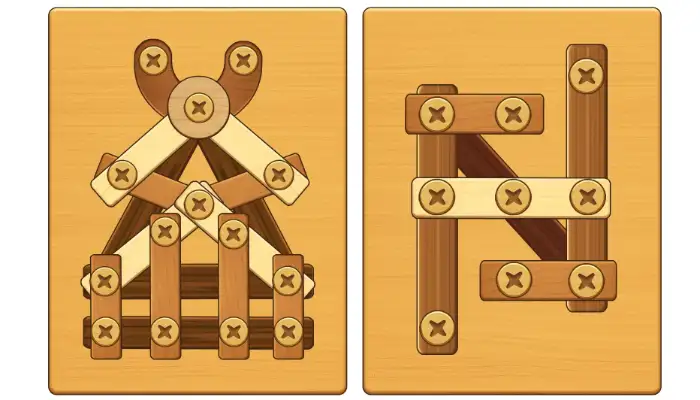
Best for: quick, low-effort puzzles in short bursts
Screw Puzzle: Nuts and Bolts turns something as simple as removing screws into a surprisingly satisfying puzzle loop.
You look at tangled metal structures, remove the correct bolts, and watch pieces collapse in the right order. The visual feedback is immediate, which makes every successful solution feel rewarding even when the puzzles are simple.
The short level structure also helps a lot. You can finish several puzzles in just a few minutes without needing long focus sessions.
What we don’t like
The repetition becomes noticeable fairly quickly. Ads also appear very aggressively, especially during longer play sessions.
Key highlights
- Simple screw-removal mechanics
- Fast levels with instant feedback
- Visually satisfying chain reactions
- Minimal learning curve
Parking Jam 3D
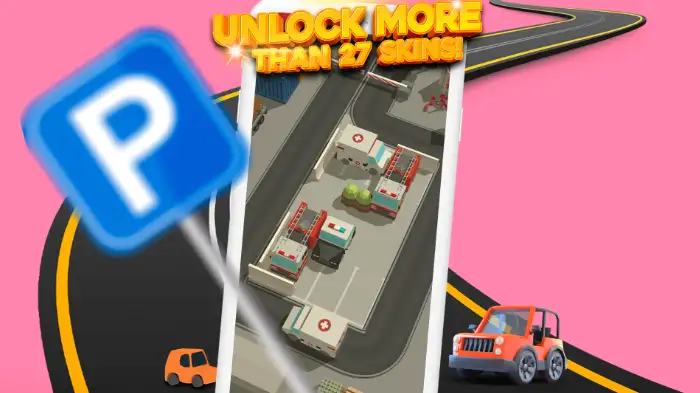
Best for: short, structured problem-solving sessions
Parking Jam 3D takes a simple traffic puzzle concept and turns it into an addictive progression loop.
You clear cars from crowded parking lots by moving them in the correct order. Early puzzles feel easy, but later levels gradually force you to think ahead before making moves.
The pacing is what keeps players hooked. One level ends, the next begins instantly, and the constant progression makes it easy to keep playing much longer than intended.
What we don’t like
Difficulty spikes, ads, and occasional bugs can interrupt the flow during extended sessions.
Key highlights
- Logic-based parking puzzles
- Increasing complexity over time
- Extremely short levels
- Easy swipe controls
Games like these often appear among the top android puzzle games because they are so easy to understand instantly.
Car Out!
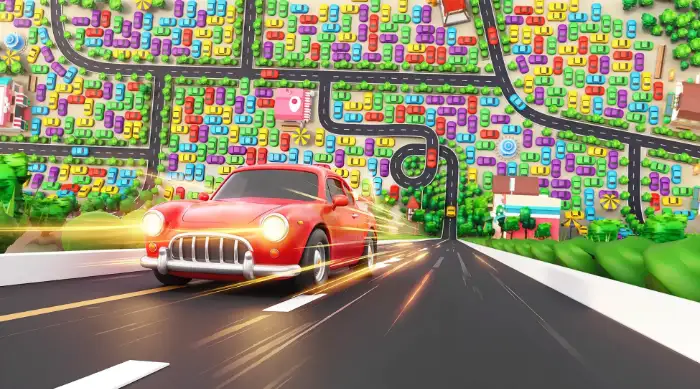
Best for: players who want variety within the same puzzle style
Car Out! builds on the usual parking puzzle formula by adding more gameplay variations and modes.
Some levels focus on relaxed puzzle-solving, while others introduce timers, movement restrictions, or more chaotic layouts. That variety helps the game stay interesting longer than many similar titles.
The controls also stay simple and responsive, which makes the game easy to jump into for quick sessions.
What we don’t like
Aggressive monetization hurts the experience fairly often. Ads and locked features can interrupt gameplay more than expected.
Key highlights
- Multiple puzzle modes
- Mix of timed and relaxed gameplay
- Smooth controls
- Offline play available
Pull the Pin
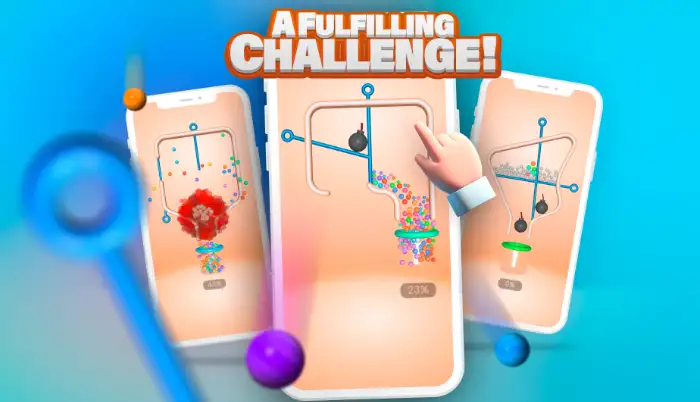
Best for: ultra-short sessions with minimal thinking
Pull the Pin became popular because the gameplay is instantly understandable.
You pull pins in the correct order to guide objects toward the goal while avoiding traps or obstacles. The mechanics are extremely simple, but the instant feedback loop makes the game oddly addictive.
Levels are also incredibly short. You can fail, retry, and solve a puzzle within seconds, which keeps the progression moving constantly.
What we don’t like
The gameplay becomes repetitive after extended sessions. Bugs and frequent ads are also common complaints from players.
Key highlights
- Simple physics-based puzzles
- Instant retry system
- Extremely short levels
- Easy-to-understand gameplay
Hero Rescue
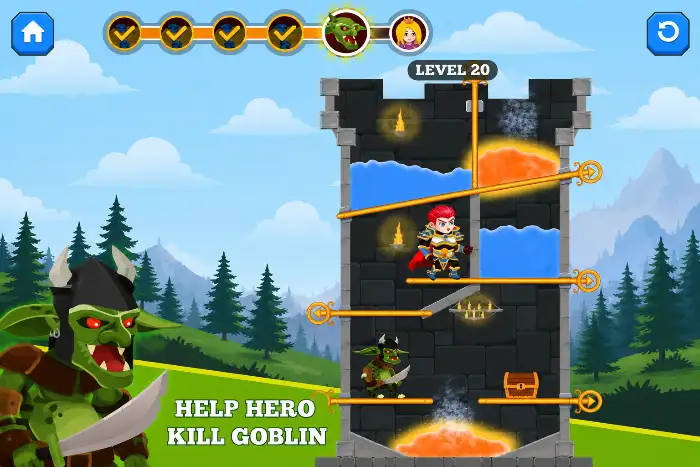
Best for: players who want basic puzzles with light storytelling
Hero Rescue adds a small adventure layer to the familiar pull-the-pin puzzle format.
Instead of solving abstract puzzles, you rescue characters, avoid traps, defeat enemies, and complete simple objectives. That extra context makes the gameplay feel more engaging than many similar viral puzzle games.
The progression also stays fast. Levels move quickly, controls stay simple, and new obstacles appear often enough to keep things from becoming too repetitive early on.
What we don’t like
Technical issues and heavy ads become more noticeable later in the game, especially during longer sessions.
Key highlights
- Story-based pin puzzles
- Multiple level objectives
- Mix of logic and timing
- Fast progression system
Save the Doge
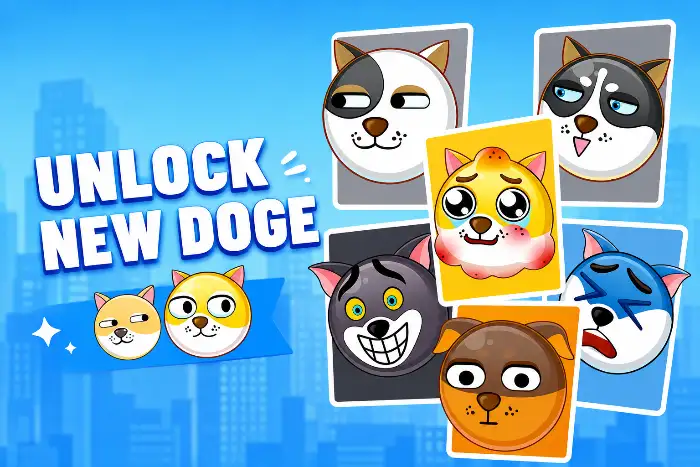
Best for: quick, repetitive puzzle bursts with instant results
Save the Doge turns simple drawing mechanics into fast, addictive puzzle-solving.
You sketch barriers around a character, wait a few seconds, and see whether your solution survives. That immediate cause-and-effect feedback is what makes the game so easy to keep replaying.
Levels are extremely short, so you can complete several puzzles within minutes. The creative drawing element also adds more variety than many other viral mobile puzzle games.
What we don’t like
The ad frequency is extremely high considering how quickly levels end, which can break the pacing fast.
Key highlights
- Draw-to-solve puzzle mechanics
- Extremely fast level completion
- Instant feedback loop
- Creative problem-solving gameplay
Many of these also appear in highest rated puzzle games google play app store recommendations because they are so easy to pick up and play instantly.
Which Puzzle Game Should You Try First?
The best puzzle game really depends on the kind of experience you want right now.
If you want something fast and mindless, start with Save the Doge or Pull the Pin. These games are built around quick levels, instant retries, and easy gameplay you can jump into anytime.
If you want deeper problem-solving, try Baba Is You or The Room series. These are the kinds of games that make you stop, rethink everything, and eventually get that satisfying “finally figured it out” moment.
If your goal is to relax, I Love Hue and ELOH are easy recommendations. No timers, no pressure, just calm visuals and slower gameplay that helps you unwind.
For long-term daily play, Wordscapes and Sudoku.com work especially well. They’re simple to revisit every day and gradually become part of your routine.
And if you just want one safe recommendation to start with, Block Blast! is probably the easiest choice. It’s simple, flexible, and works whether you want a quick break or a longer session.
There’s no single best android puzzle game for everyone. The best one is simply the one that matches your mood right now.